Home
Local Tree Services Across Greater GeelongTree Removal in Geelong, VIC
Tree removal, stump grinding, pruning and land clearing across Geelong, the Surf Coast and the Bellarine. Fixed quotes, tidy crews and help with permits.
- Free on-site quote, no call-out fee
- Written, fixed price before work starts
- Green waste chipped and taken away
Get a free tree quote
Tell us about the job and we'll call you back, usually the same day.
Practical Tree Removal for Geelong Homes and Properties
Trees are a big part of life around Geelong. They provide shade, privacy and character to our streets and gardens. But when a tree becomes unsafe, outgrows its space or gets in the way of important property work, keeping it may no longer be the right option. Tree Removal Geelong helps homeowners, landlords and property managers work through these situations with practical advice and a clear understanding of what the job involves.
We focus on tree removal in Geelong and the surrounding region, including the Surf Coast, Bellarine Peninsula and growing suburbs around Armstrong Creek and Lara. We also cover stump grinding, tree pruning and tree clearing. Whether you have a large tree near your house, a dead tree beside a fence or several smaller trees affecting a planned project, the starting point is understanding the site, the condition of the trees and any restrictions that may apply. Get a free quote
Tree services across Geelong
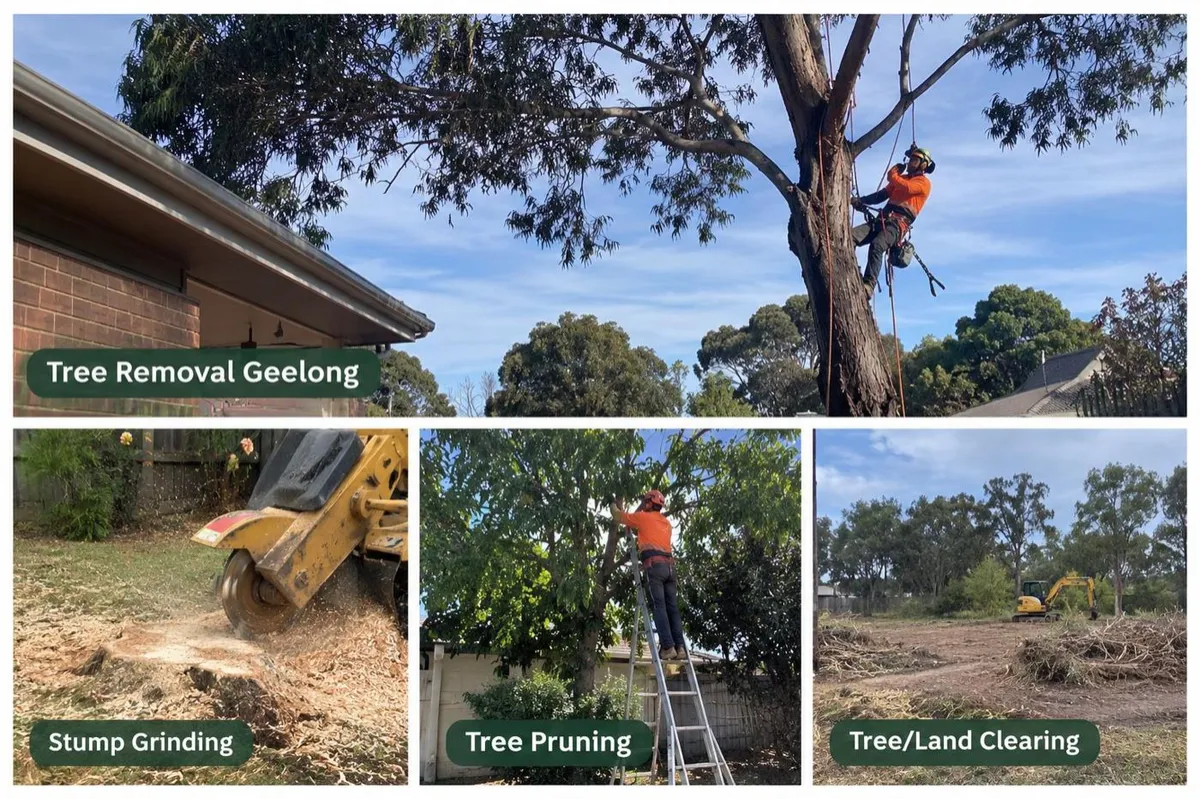
Our main focus is tree removal, supported by stump grinding, tree pruning and tree clearing. These services address different stages of managing trees on residential and other suitable properties. We discuss the work needed for each site rather than assuming every property requires the same solution.
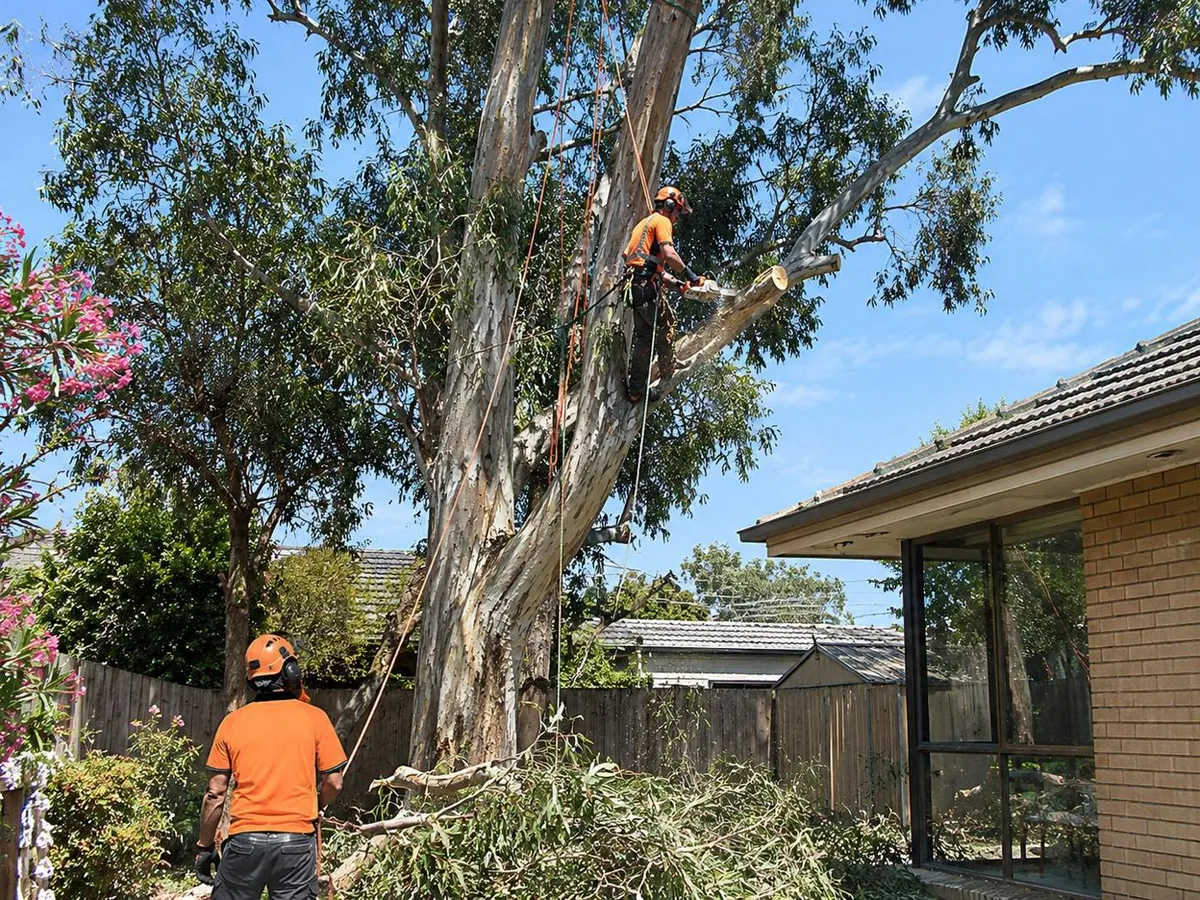
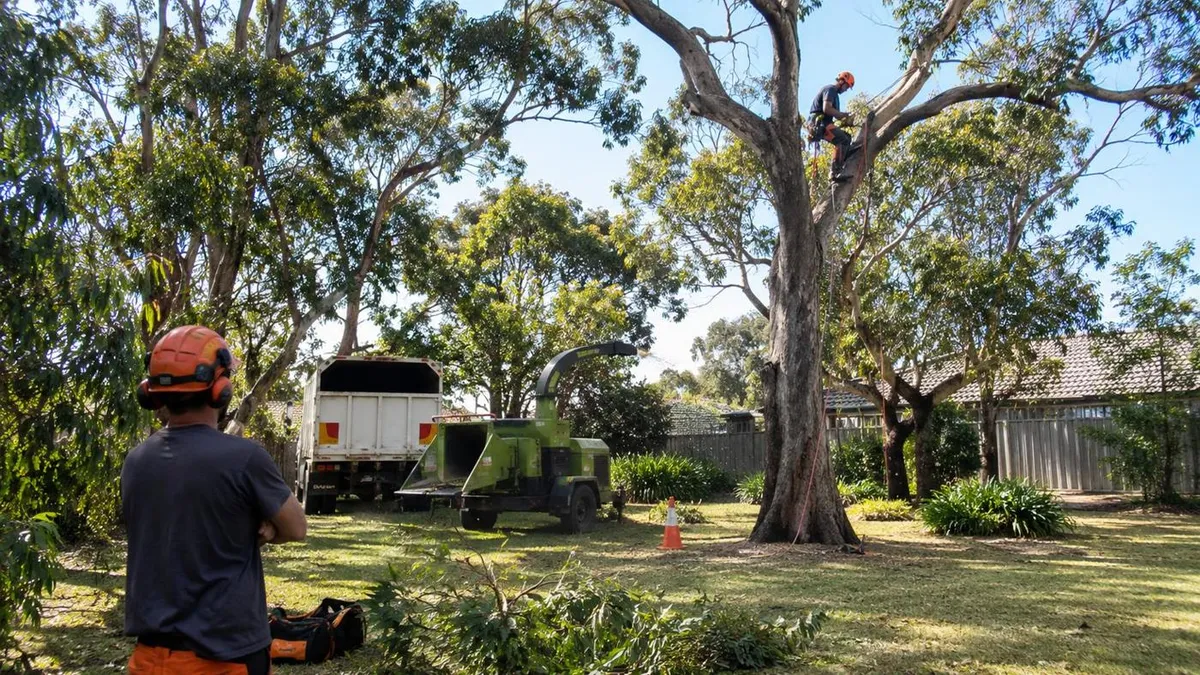
Tree Removal
Tree removal for Geelong properties where safety, access or changing site needs make removal necessary.
Learn more →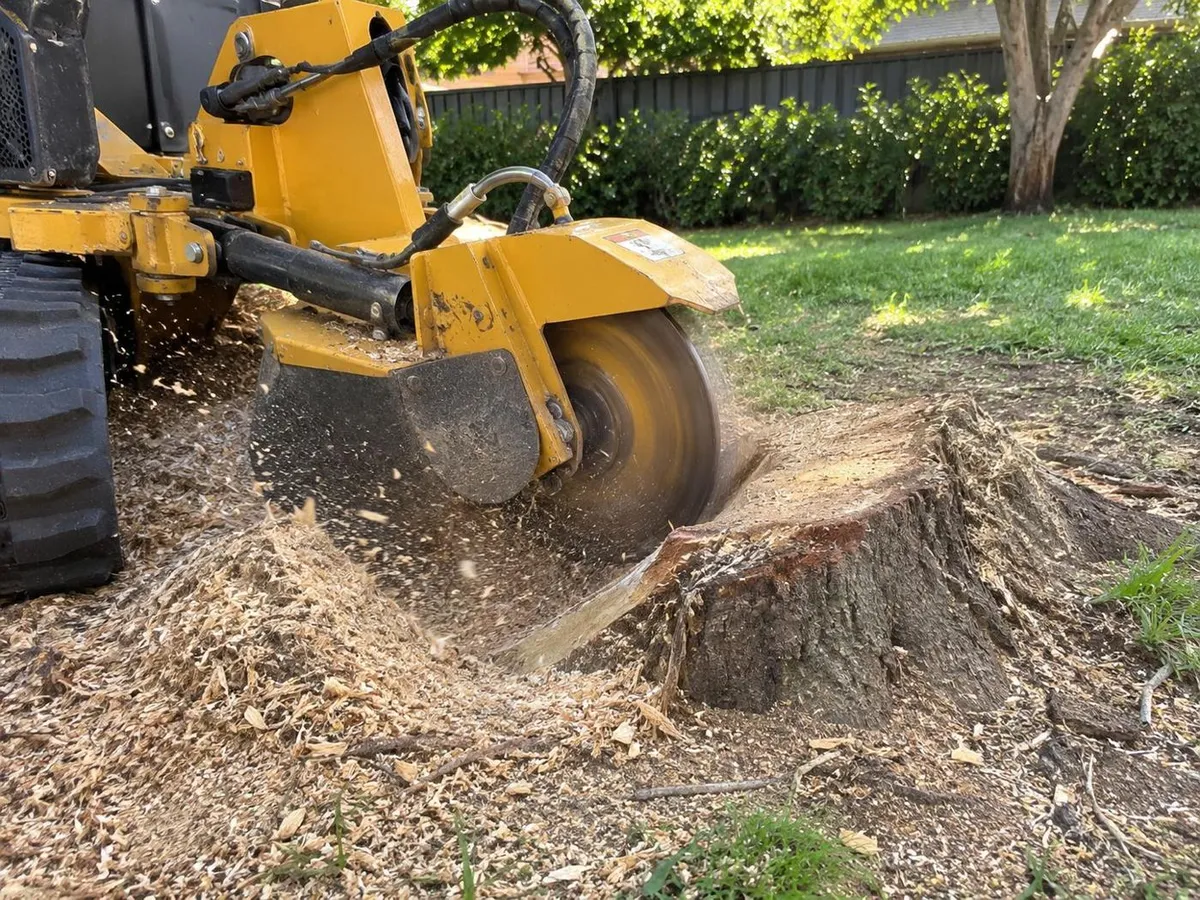
Stump Grinding
Stump grinding to help reclaim garden space and prepare areas for future landscaping.
Learn more →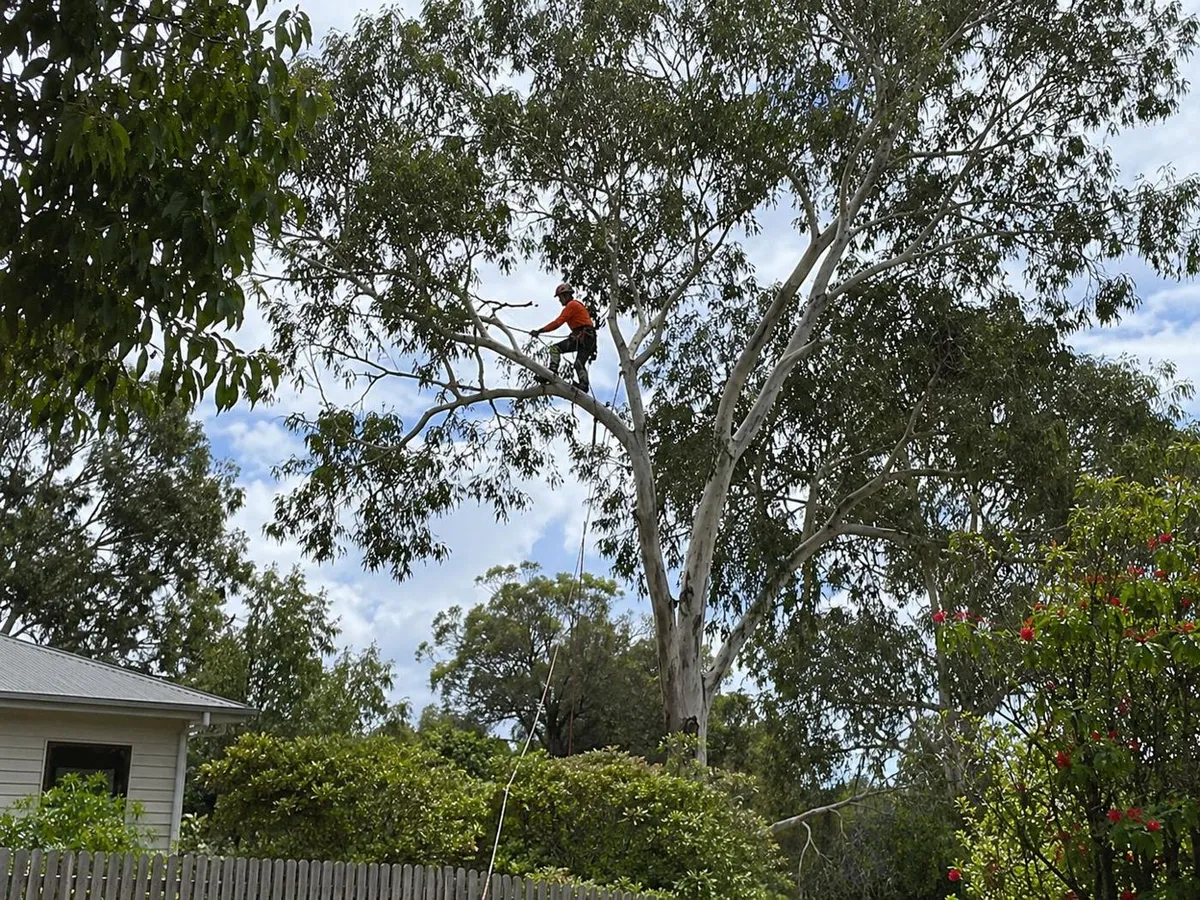
Tree Pruning
Practical tree pruning for damaged branches, canopy management and better clearance around property features.
Learn more →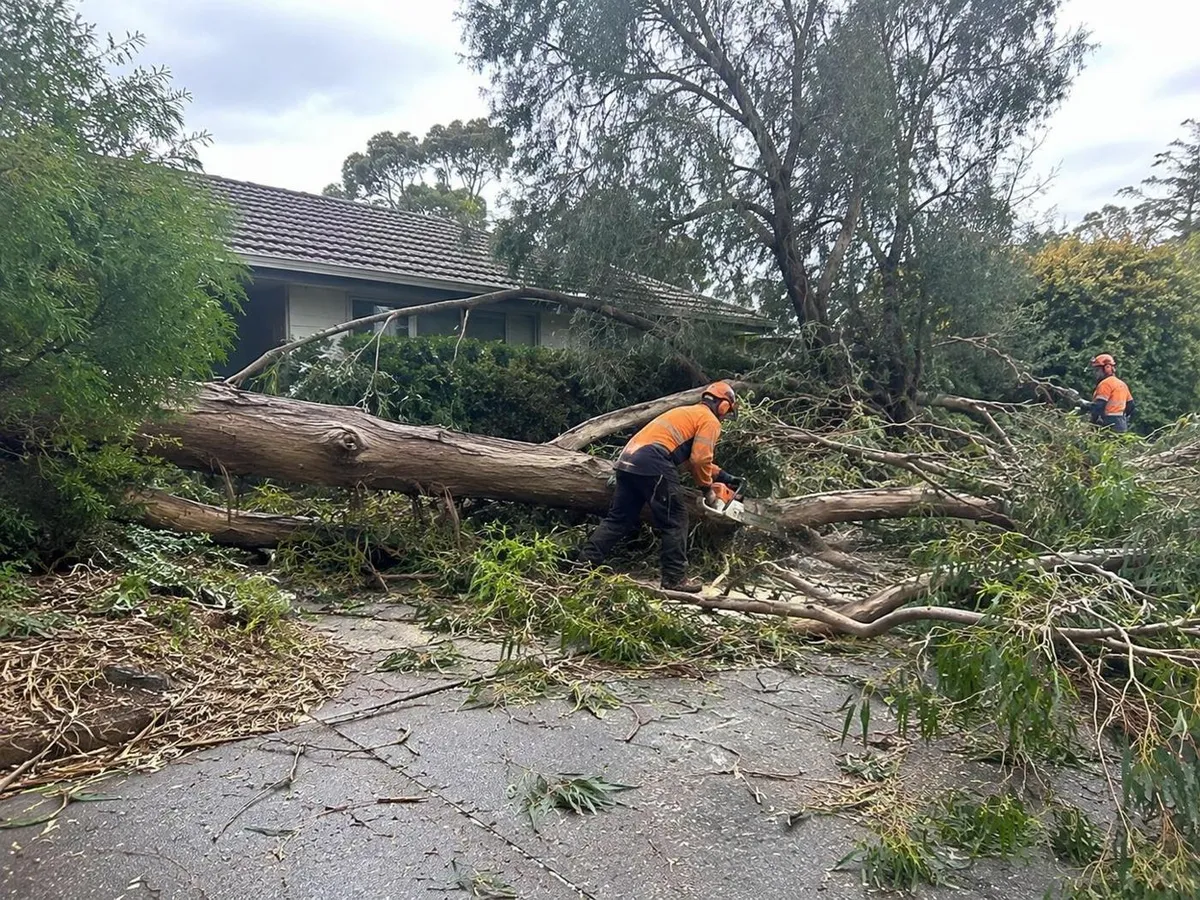
Land Clearing
Tree and land clearing discussions for suitable property preparation, vegetation management and approved site projects.
Learn more →When Tree Removal Becomes the Sensible Option
Most people do not start looking for tree removal because they want an empty garden. Usually, something has changed. A branch may have fallen during strong wind, the trunk may have developed a large cavity, or the tree may have started leaning in a way that causes concern. Sometimes the problem is less urgent but still significant, such as roots interfering with a structure or a tree occupying space needed for an approved building project.
One of the more obvious warning signs is dead or dying growth. A tree with substantial dead branches, damaged bark or large areas of crown decline deserves attention. Fungal growth around the base, cracks in major limbs and visible movement around the roots can also indicate problems. These signs do not always mean the entire tree must be removed, but they are reasons to seek an appropriate assessment rather than ignore the situation.
Geelong's changing weather makes regular observation worthwhile. Strong winds can expose weaknesses that were not obvious during calm conditions. Trees already affected by drought stress, previous damage or poor structural form may require closer attention. After a storm, it is sensible to look for hanging branches, new splits and changes in the ground around the base. Keep people away from suspected hazards, particularly if a tree is touching powerlines or appears unstable.
There are also practical reasons for removal. A tree might stand directly where a permitted extension is planned, restrict safe access to a property or create an ongoing conflict with nearby structures. These situations still require thought. Council rules, protected vegetation and the potential for retaining the tree through design changes should be considered before work proceeds.
If you are concerned about a tree, start by explaining what has changed and where the tree stands. Useful details include whether it is close to a house, whether branches have fallen, whether the problem developed suddenly and whether anyone has already assessed it. We can discuss the situation and whether an on-site assessment is appropriate. Get a free quote
How Tree Removal Work Is Planned and Carried Out
Removing a tree involves more than cutting the trunk near the ground. The safest and most suitable approach depends on its height, branch structure, condition and position within the property. A tree in a clear paddock may allow a very different method from one growing between a house, boundary fence and neighbouring garden.
Planning normally begins with understanding the tree and its surroundings. Important considerations include overhead wires, nearby buildings, slopes, soft ground, garden structures and access routes. The assessment also needs to consider whether the tree is stable enough for a particular work method and what equipment or specialist arrangements may be required. No removal method should be assumed suitable before these conditions are understood.
For some trees, controlled dismantling in sections may be appropriate. This involves removing parts of the tree progressively rather than attempting to bring down the whole tree at once. The way branches and timber are lowered or moved depends on the site and the safety plan. More complicated situations may require additional equipment, specialist personnel or coordination with other responsible parties.
Access is an important part of preparation. A narrow side path, a steep driveway or a garden with limited working space can affect the plan. Customers may need to arrange for vehicles, outdoor furniture or movable items to be cleared from designated areas. Where relevant, neighbouring access and boundary issues should be resolved before work begins.
The final stage concerns what happens after the tree is down. Branches, logs and smaller debris need to be handled according to the agreed scope. Stump removal is a separate consideration because cutting down a tree normally leaves part of the trunk and root system in the ground. If the area will be used for a lawn, garden bed or construction, it helps to discuss the desired finished condition early.
The aim is a well-understood process, with the right precautions and a realistic plan for the individual site. Ask what the proposed removal includes, how access will be managed and what the property is expected to look like when the work is finished. Call 1300 555 126
What Affects the Cost of Tree Removal in Geelong?
A common question from property owners is why two tree removal jobs can involve very different amounts of work. The answer is that tree size is only one part of the picture. A shorter tree growing directly above a roof may require more preparation and control than a taller tree standing in a wide, open area. That is why a useful estimate needs to reflect the actual property rather than height alone.
The tree's condition matters. Healthy timber, brittle dead branches, hollow sections and storm damage can each present different handling requirements. A compromised tree may not safely support certain work methods. Extra precautions, specialist assessment or alternative equipment can therefore become necessary even when the tree does not look especially large from the ground.
Another factor is access. In older Geelong suburbs, side passages can be narrow and gardens may contain established landscaping, retaining walls and sheds. In newer estates, houses can occupy a substantial portion of the block. Limited space affects how timber is moved, how equipment reaches the work area and what protection may be needed for surrounding surfaces.
The location of the tree is just as important. Proximity to powerlines, roads, neighbouring buildings and public areas changes the planning requirements. Some situations involve permits, traffic management, utility coordination or other arrangements that must be addressed before work can proceed. These considerations cannot be resolved simply by looking at the trunk diameter.
The requested finish also influences the scope. One customer may want the main tree removed while retaining larger timber on the property. Another may need the branches and logs taken away and the remaining stump ground to suit future landscaping. Those are different jobs, and the inclusions should be written clearly so there is no confusion.
For a useful discussion, provide the tree's location, approximate size, nearby obstacles and what you want done with the waste and stump. Photographs can help explain the situation, but they may not replace an on-site assessment. We can work through the scope with you before the next step. Get a free quote
Geelong's Trees, Weather and Property Conditions
Tree removal around Greater Geelong requires an understanding of how much conditions can change across a relatively compact region. A sheltered residential street near central Geelong is not the same environment as an exposed property overlooking the coast. Soil, wind exposure, available growing space and the age of surrounding development all influence the challenges property owners face.
Established areas such as Newtown, Belmont and parts of Highton often contain mature garden trees that have grown alongside houses for decades. Some were planted when blocks had fewer structures and more open space. Over time, extensions, garages, paving and neighbouring development can place buildings much closer to the canopy. These changes make access and structural assessment important when removal is being considered.
Around Torquay and Ocean Grove, coastal exposure can influence tree shape and growth. Salt-laden winds, sandy soils in some locations and periods of dry weather can affect vegetation. A tree leaning away from prevailing winds is not automatically unsafe, but new movement, damaged roots or progressive structural changes warrant investigation. Coastal properties also require attention to local vegetation rules and environmental values.
The newer residential districts around Armstrong Creek present another set of considerations. Trees may be younger, but smaller yards, close boundary lines and nearby infrastructure can still make work complicated. Retained trees from earlier land use may stand beside relatively recent houses, bringing older vegetation into a very different built environment.
North of Geelong, Lara and surrounding semi-rural areas include larger allotments and open landscapes. The available space can help with some tasks, but overhead services, uneven ground, long access routes and environmental constraints may still influence a job. Tree clearing on a broader property also calls for closer attention to native vegetation requirements.
There is no single Geelong tree removal method that suits every suburb. Knowing the local setting helps frame better questions, but the condition and position of the individual tree remain the deciding factors. We encourage customers to describe both the tree and the surrounding property rather than relying on a suburb name alone. Book an assessment
Choosing a Tree Removal Company and Understanding the Scope
Hiring someone to remove a tree is a significant decision, especially when the work is close to a home, road or neighbouring property. The cheapest-looking or quickest-sounding proposal is not necessarily the most suitable. A good starting point is whether the person discussing the job understands the risks, explains the proposed approach and identifies matters that need checking before work begins.
Ask how the tree's condition will be assessed and how surrounding structures will be considered. For larger or more complicated removals, it is reasonable to ask about relevant experience, insurance arrangements, equipment, worker competence and whether specialist advice is needed. These are matters a property owner should verify rather than assume. You can also ask who is responsible for obtaining any necessary council approvals and coordinating work near utility assets.
The written scope deserves attention. Tree removal can mean different things to different people. Does the proposal include cutting the tree to ground level? Will branches and logs be removed? Are larger timber sections left on site? Is stump grinding included or separate? Will there be limitations on access, weather or the work area? Clear answers reduce the chance of disagreements after the job starts.
It is worth discussing nearby landscaping and property features as well. Garden beds, lawns, paving, irrigation lines and fences may affect access. Some disturbance cannot always be avoided during substantial tree work, so the practical approach is to identify sensitive areas and discuss reasonable precautions in advance.
Be cautious of any proposal that treats council restrictions or powerline clearance as unimportant. In Victoria, native vegetation controls and local planning requirements can apply even when a tree is on private land. A contractor should not encourage work that bypasses necessary permissions. Similarly, trees near electrical infrastructure require the appropriate safety arrangements and may involve the electricity network operator.
We want customers to feel comfortable asking questions. Before agreeing to work, make sure you understand what will happen, which responsibilities belong to the property owner and what is included in the proposed finish. A conversation about those details is a useful first step towards a suitable outcome. Get a free quote
Preparing Your Property Before Tree Removal
Once the required work has been discussed, a little preparation can make the process easier for everyone. Property owners often know about obstacles that are not obvious during an initial conversation, including underground irrigation, drainage pits, garden lighting, old paving and areas of soft ground. Mentioning these details helps identify practical constraints before equipment or cut timber enters the area.
Think about how people normally use the space. Children may play under the tree, pets may have access to the yard, or neighbours may regularly walk beside the boundary. During tree work, designated exclusion areas need to be respected. Depending on the job, it may be necessary to move vehicles, keep pets indoors and avoid using part of the garden until the work area is made safe.
Access arrangements are another useful topic. If the most practical route passes through a garage, driveway or side gate, measurements and clearance may matter. Movable pots, outdoor furniture and lightweight items may need relocating. Some jobs require access arrangements with a neighbour, but permission should be discussed and obtained rather than assumed.
Before any removal, confirm whether the tree is subject to planning, heritage, native vegetation or other relevant controls. Requirements can depend on the property, tree and proposed activity. The responsible council or other relevant authority can clarify whether an exemption or approval applies. Where an arboricultural report is required, that should be addressed before physical work is arranged.
Finally, decide what you want from the space once the tree has gone. If you intend to plant a replacement, establish a garden bed or install a new surface, the final stump and ground condition will matter. Grinding a stump does not remove every underground root, and additional preparation may be needed for some future uses.
Providing these details early helps make discussions more precise. The aim is not to make preparation complicated. It is to ensure that the condition of the site and the customer's expectations are understood before a decision is made. Call 1300 555 126
Areas we cover
Tree Removal Geelong serves properties throughout Geelong, Highton, Grovedale, Belmont, Lara, Corio, Armstrong Creek and Newtown. We also cover Leopold, Ocean Grove and other parts of the Bellarine, along with Torquay and suitable locations throughout the Surf Coast. The region includes established streets with mature gardens, coastal properties exposed to strong winds, and newer estates where landscaping and access are often very different.
Our service area covers a mix of residential, rural-residential and other suitable sites. Tree size, driveway access, overhead services, ground conditions and local planning controls can all affect how a job is approached. If you are unsure whether your property falls within our working area, tell us the suburb and a little about the tree. Call 1300 555 126
Why Geelong owners use us
We explain the likely steps involved in tree work and the issues that need checking before removal begins. You should know what is being considered and why.
Geelong properties range from coastal blocks to established suburban gardens. We consider the surroundings, access and local conditions when discussing a job.
Removal is not automatically the answer to every tree problem. We consider whether pruning, monitoring or specialist assessment may be more appropriate.
Fences, sheds, garden beds, driveways and neighbouring structures can affect a job. We discuss these features during planning instead of overlooking them.
How a job works
The same simple process for every job, from a single stump to a full clearing.
- Step 1Send the details
Use the form or call. Photos of the tree, its surroundings and the access help us give a guide price quickly.
- Step 2Site look and fixed quote
We check the tree, what is underneath it, access and any permit questions, then give you a written fixed price.
- Step 3The work
Trees are pruned or taken down in sections, timber is chipped and stumps are ground if included.
- Step 4Clean-up
We rake, blow and sweep, and the green waste leaves with us unless you want the mulch or firewood.
Tree removal questions
Do I need council approval before removing a tree in Geelong?
You may need approval depending on the property, planning overlays, native vegetation controls and the tree itself. Check the applicable rules with the City of Greater Geelong or the relevant local council before arranging removal.
Can a tree be removed if its branches hang over my roof?
Possibly, but branches over a roof do not automatically mean the whole tree needs removal. Its condition, ownership, applicable restrictions and available work methods should be assessed first.
What information should I provide when requesting a tree removal estimate?
Tell us the suburb, approximate tree size, visible condition, access arrangements and what is close to the tree. Photos and a description of your preferred final result can help explain the job. Get a free quote
Does cutting down a tree include removing its stump?
Not necessarily. Tree removal and stump grinding are separate tasks, and the scope should state whether either or both are included. Tell us if you plan to replant or change the area afterwards.
What happens if bad weather is forecast for the removal day?
Weather conditions need to be considered before work proceeds. Strong winds, lightning, heavy rain or unsafe ground conditions may mean work needs to be postponed or the plan changed.
Got a tree that needs sorting?
Send a few details and photos and we will come back to you with a fixed-price quote.